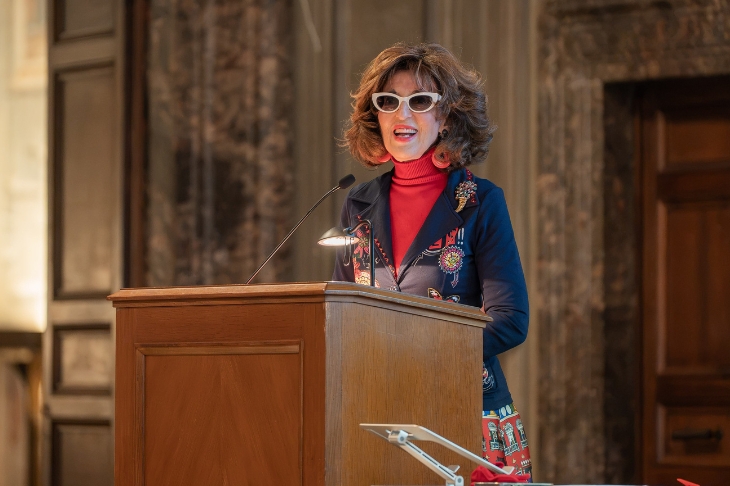
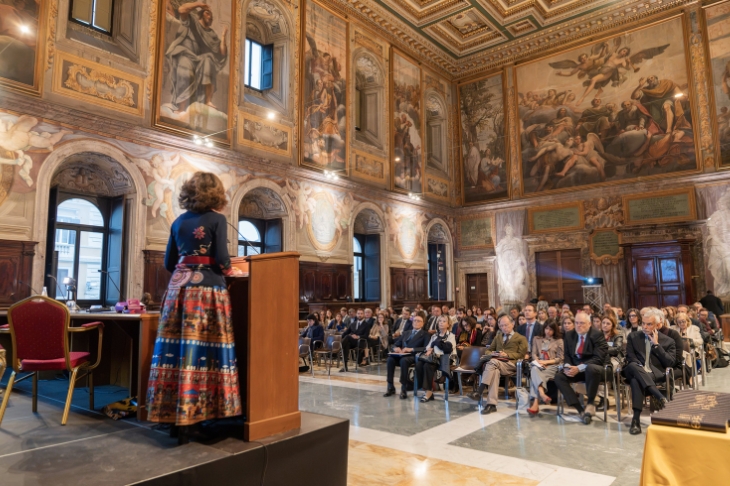
The ceremony got into full swing with the keynote speech by Glenn Micallef, Commissioner for Intergenerational Fairness, Youth, Culture and Sport at the European Commission, introduced by Gaia Danese, EEAS Coordinator for International Cultural Relations and Public Diplomacy: “Ten years of training ‘cultural diplomats’ is a major achievement,” began the European Commissioner in his video message. “Faced with a global reality where democracies are undergoing a profound crisis, culture is at the forefront of our collective response, it is our first line of defence. When culture is under threat, so too is freedom itself. Culture is our strength, it is the cornerstone of democratic life, it opens up spaces for dialogue and unites people, transcending borders and differences.” “Programmes such as yours,” he concluded, addressing the organisers and participants of the event, “help to turn European strategies and projects into practice and reality. Congratulations on these ten years and best wishes for many more to come.”
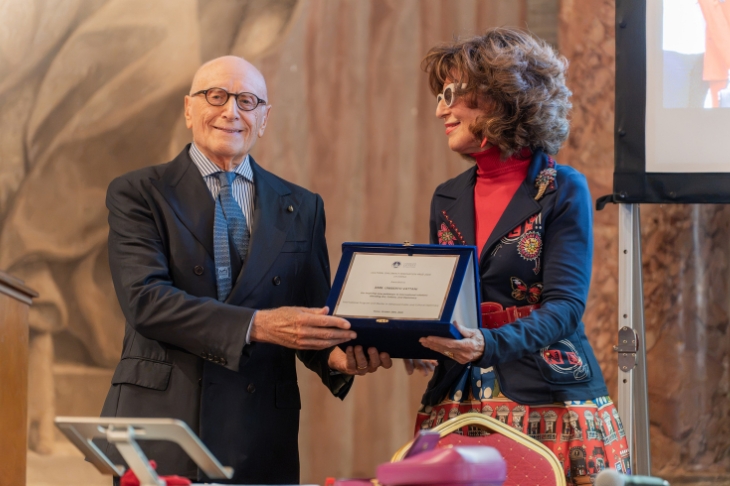
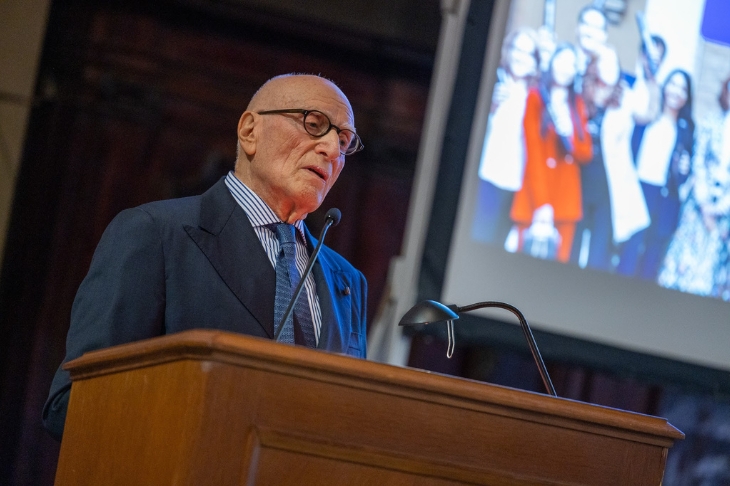
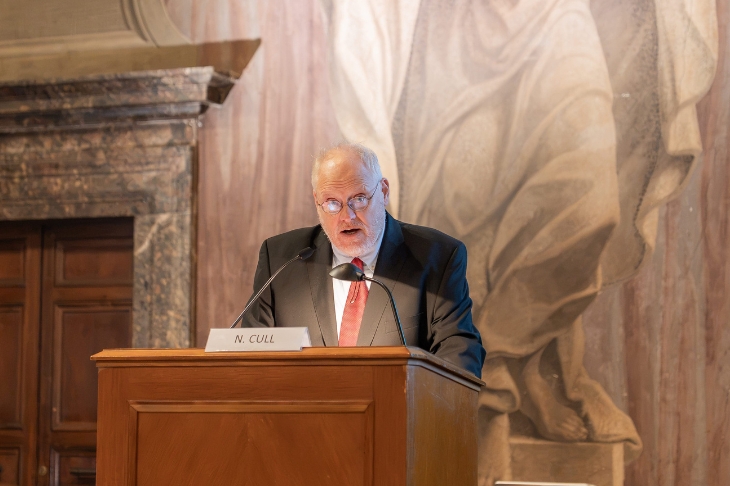
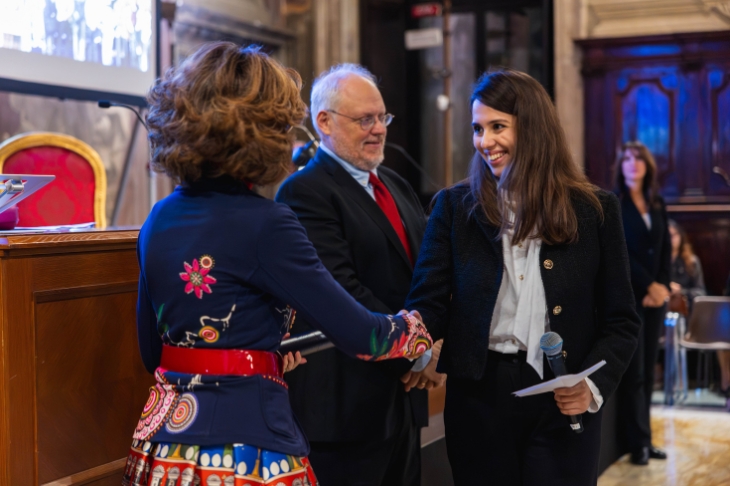
Following the presentation of an award to Intesa San Paolo, the main supporter of the Specialising Master Programme, the meeting concluded with a keynote address by Nicholas J. Cull, International Expert on Public Diplomacy and Reputational Security and Professor of Public Diplomacy at USC Annenberg, who emphasised the value of the Specialising Master Programme – which “has been able to anticipate one of the decisive issues of the third decade of the 21st century: the central role of cultural and reputational factors in international relations” - and offered a wide-ranging reflection on cultural diplomacy, which “no longer represents merely an added value to a country’s international profile, but constitutes an indispensable component of foreign policy. In a world facing challenges that are too complex to be tackled by a single nation, cooperation becomes indispensable, and cooperation itself is founded on trust”. And it is precisely in the cultural sphere that Nicholas J. Cull identifies the ideal and most effective ground on which to build this trust: “This is why I define cultural diplomacy as the driving force behind empathy. I am convinced that, if we can get to know one another and make ourselves understood by one another, there is still real hope for the future of our planet”.
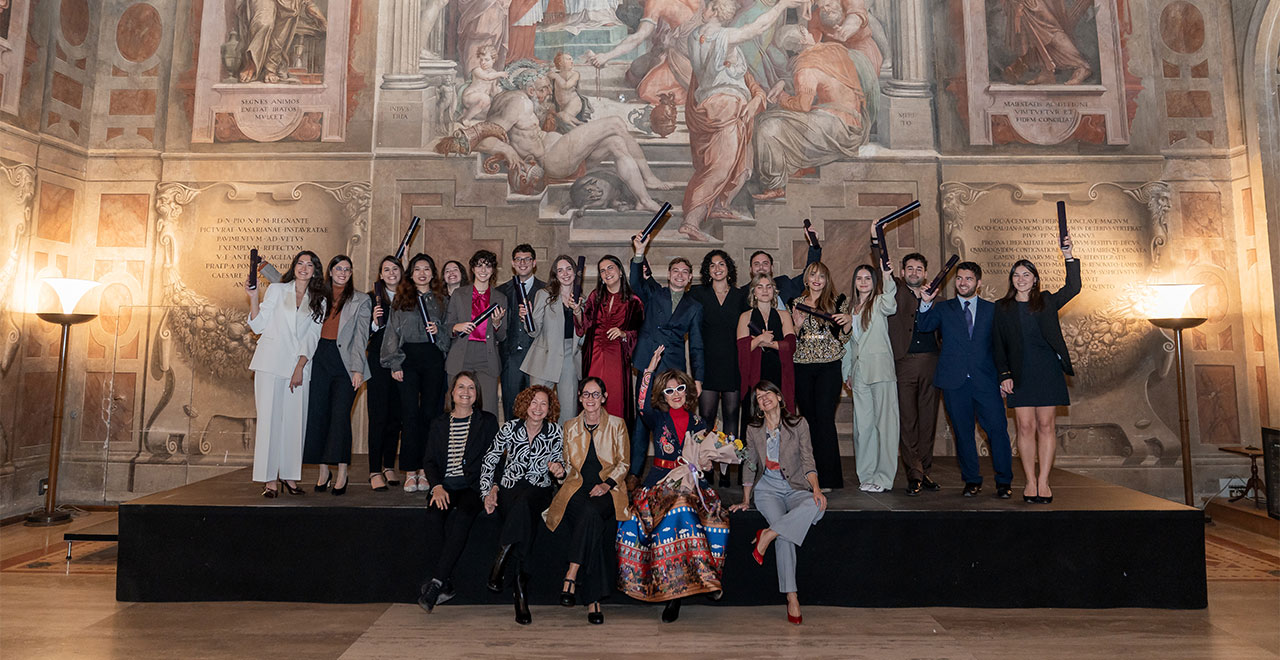
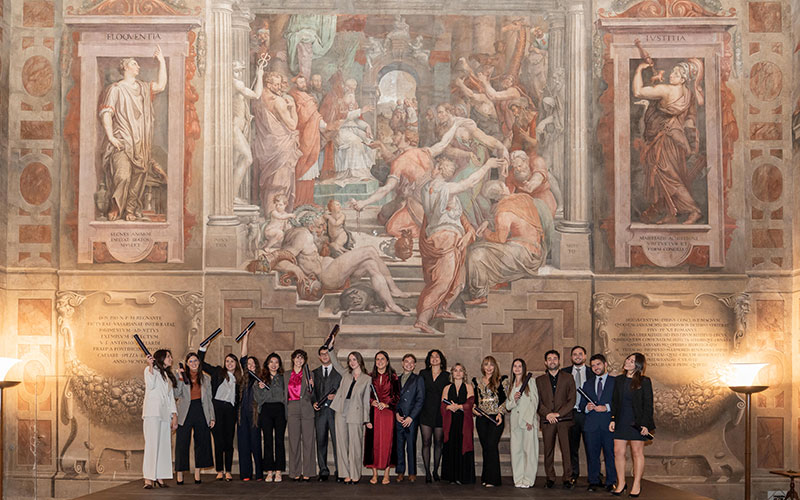
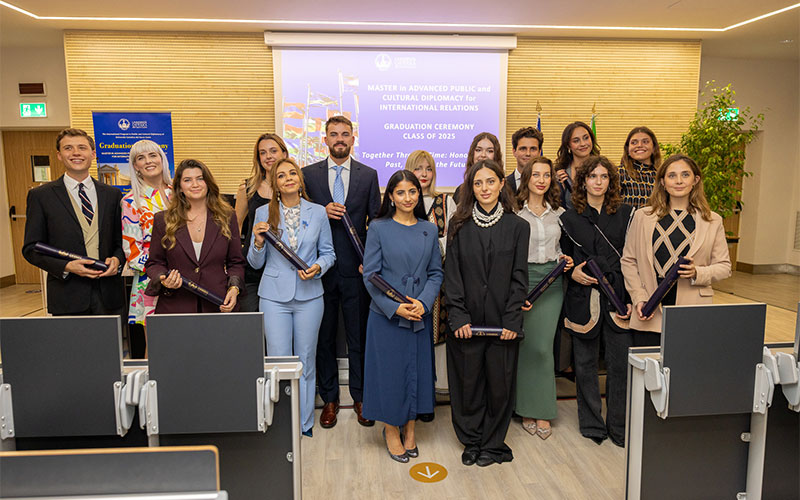
The event ended with the grand ceremony for the awarding of degrees to the new ‘cultural ambassadors’ around the world, who will enrich a network of personal and professional relationships that continues to grow over time: “Our 160 alumni are now fully integrated into the world of work in sectors closely linked to the skills developed during the Specialising Master Programme: ministries of Foreign Affairs, cultural institutions, local authorities involved in international relations, think tanks, foundations, companies, public affairs, the media and leading consultancy firms,” concluded Federica Olivares, as she welcomed the new generation of graduates. “After ten years of work, study, meetings and shared challenges, what fills us with the greatest pride is not only the results achieved, but the community we have helped to build. A community made up of people from every continent, united by the conviction that dialogue is stronger than confrontation, that culture can foster mutual understanding, and that diplomacy remains one of the noblest tools for serving the common good.”
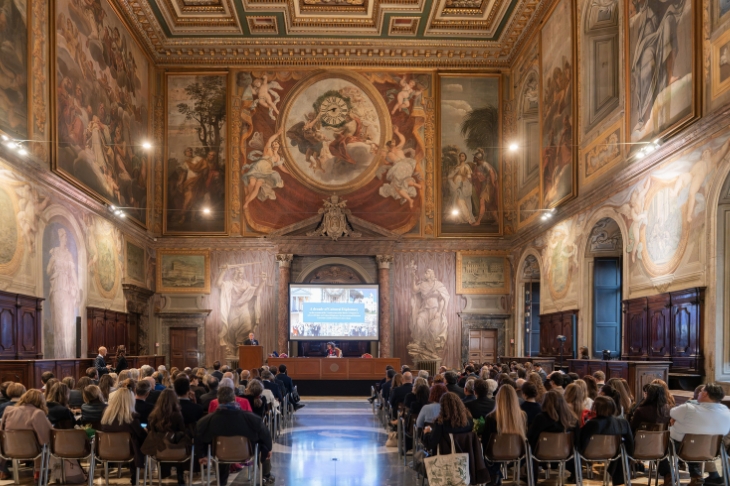
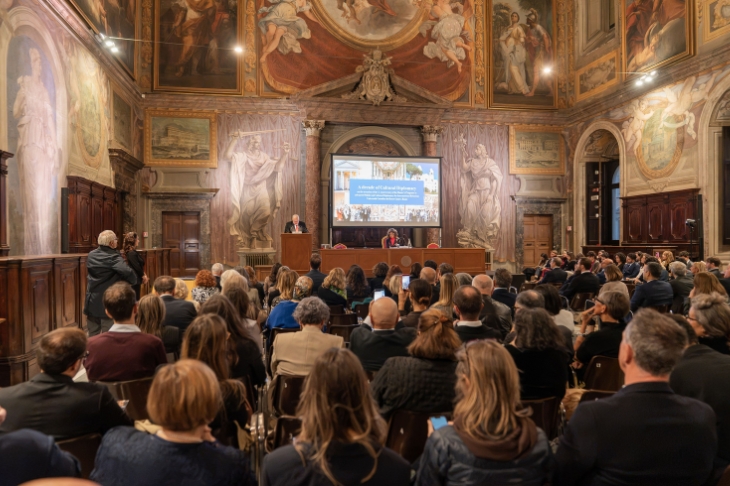
Ten years of encounters, ideas and dialogue between cultures, thanks to a Specialising Master Programme that has welcomed students, professors, lecturers, diplomats and representatives of institutions from all over the world, culminating in a well-attended and significant event in Rome that celebrated a community which has grown over the years around the values of cultural diplomacy, creating a global network of ‘cultural ambassadors’ called upon to build bridges of dialogue, culture and peace.