News | Verso il 2028
Non una dichiarazione d’intenti, ma un impegno collettivo
Studenti, docenti e personale raccontano il Piano strategico
| Redazione
20 aprile 2026
Condividi su:
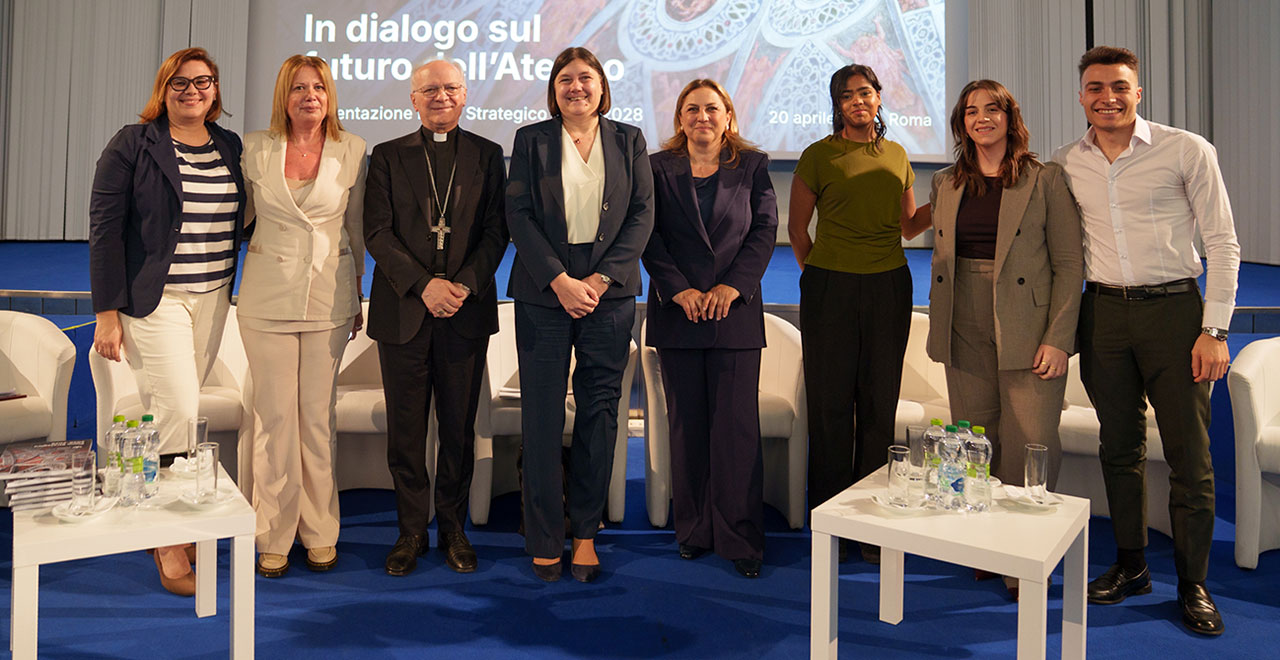
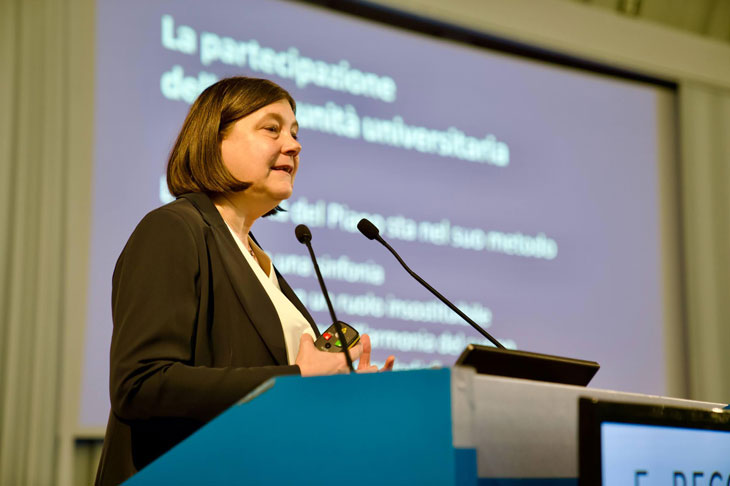
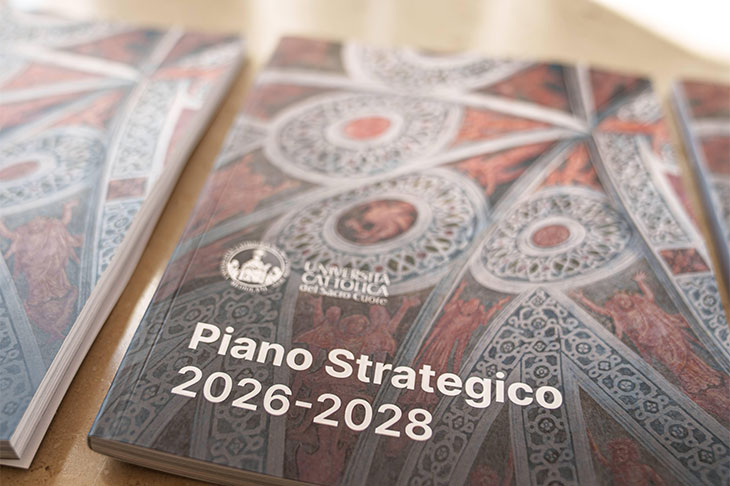
A School of Knowledge Integration, the valorisation of research and young researchers, a high-quality educational offer, internationalisation and the Africa Plan, and fundraising inspired by institutional and identity principles: these are the five pillars of the 2026-2028 Strategic Plan of Università Cattolica del Sacro Cuore, presented on Monday 20 April at the Rome campus of the University by the Rector, Elena Beccalli.
The result of a participatory process involving all members of the university community, the Plan outlines initiatives which, by making a real impact, can leave a lasting mark and be fully integrated with teaching, research and Third Missions activities.
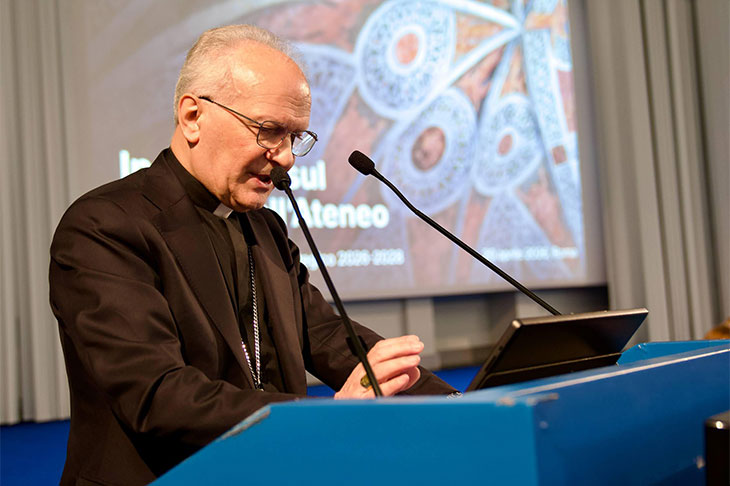
At the presentation, alongside Rector Elena Beccalli, His Excellency Monsignor Angelo Vincenzo Zani, Archivist and Librarian Emeritus of the Holy Roman Church, also spoke.
“The new Strategic Plan of Università Cattolica del Sacro Cuore is based, first and foremost, on a participatory approach, on the active collaboration of the entire university community, on co-design, and on listening to key stakeholders in order to shape the University’s future together over the next three years,” began Professor Beccalli.
“There are three guiding principles behind our institutional mission,” continued Beccalli, “namely: enhancing the identity of the University as a non-profit Catholic University; promoting the full integration between the roles of educational community and research university; creating a place where knowledge is experienced, not merely transmitted. This means, for example, implementing innovative educational initiatives such as service learning, based on involving the student community in programmes of active citizenship and social participation, or peer mentorship, to provide peer support on content, knowledge and skills.”
The new Strategic Plan of Università Cattolica del Sacro Cuore, structured around five interconnected pillars, is the result of a collaborative process that began nine months ago, comprising 34 thematic workshops attended by 665 members of the university community, 1,711 respondents to the online survey, and 54 project proposals submitted via the call for ideas.
“The initiative, promoted by the Rector since the start of her term of office and wholeheartedly supported by her colleagues and by lecturers, represents an original and innovative approach within the current academic landscape,” said Monsignor Vincenzo Zani in his address. “In particular, it has the great merit of defining the identity, vision and mission of the University of Catholics in Italy and positioning it on the international stage,” through three fundamental elements. “The first,” he continued, “is the cultural and geopolitical context that forms the backdrop to the Strategic Plan. The Rector’s deliberate choice to steer the University towards the future, giving substance to the idea of a better university for the world, cannot fail to refer back to the very roots, to the DNA of this institution. And I would like to emphasise that, as the implementation of the Strategic Plan gets underway, Rector Elena Beccalli has been elected a member of the International Federation of Catholic Universities (FIUC/IFCU), founded by Gemelli, as well as president of its European section, the FUCE. This role of our Rector will undoubtedly help to further enhance the international dimension, scientific research and the academic quality of our University, as is clearly emphasised in the pillars of the Strategic Plan.
‘The second factor that makes the Strategic Plan unique is the method used in its development, which holds great human, cultural and academic value, within an extraordinary workshop for dialogue and exchange that has made everyone a key player in a university community that reflects on and becomes aware of the significant role it has to play in a society undergoing profound changes. Another factor concerns the content, organised across the five pillars of the Plan, of which I would particularly like to highlight the School of Knowledge Integration and the promotion of research.” The School of Knowledge Integration, in particular, must have “as its vital objective the reform of thought by coordinating separate cultures and fields of knowledge. Interdisciplinarity is insufficient to remedy over-specialisation.” “In this sense, the first two pillars—the integration of knowledge and the quality of research—represent a significant challenge, the true added value that Università Cattolica courageously offers within the landscape of academic studies today.”
An article by
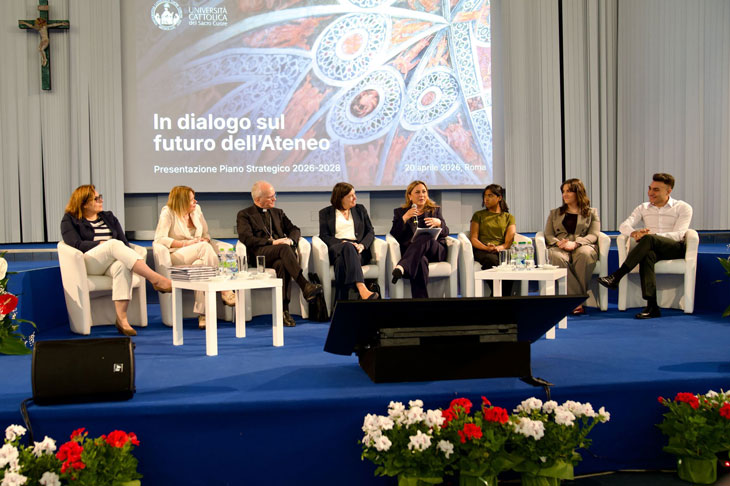
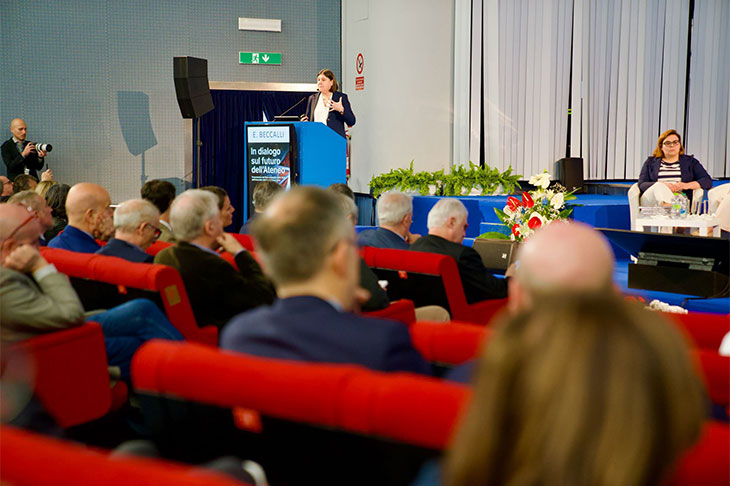
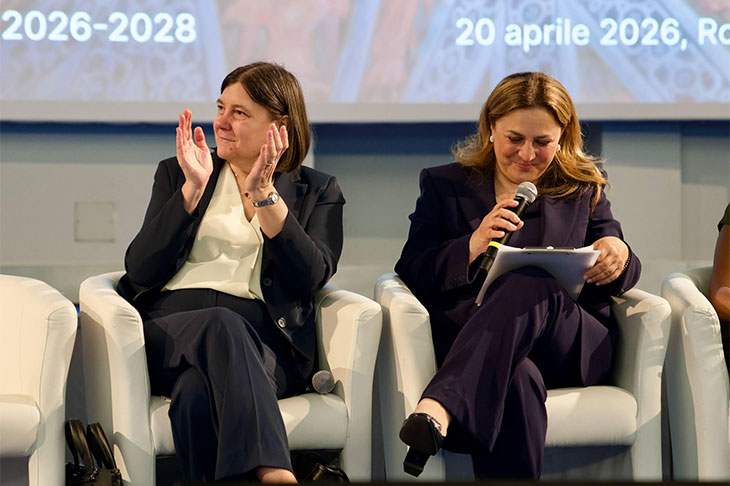
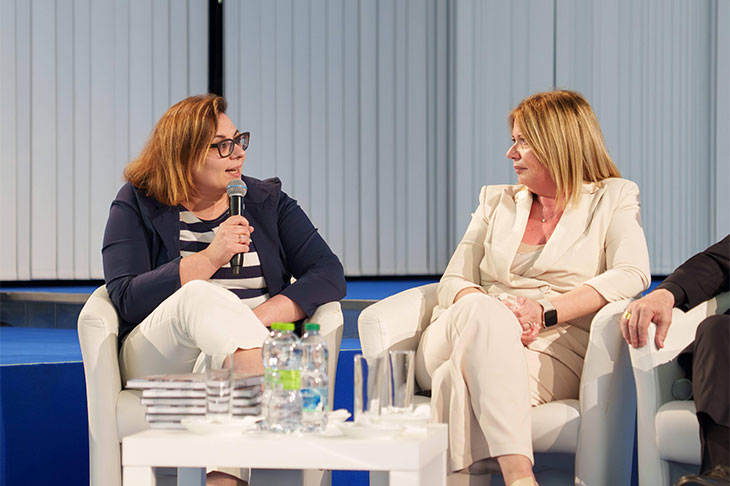
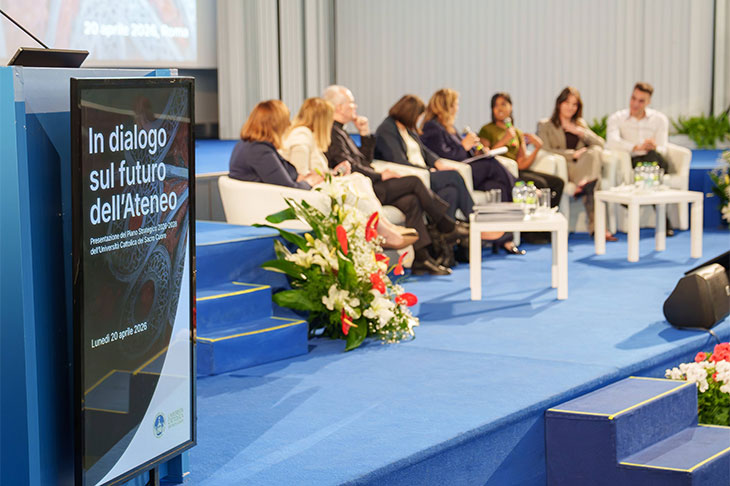
The account of the process that led to the drafting and sharing of this document was entrusted to Isabella Di Chio, a Rai journalist (TgR Lazio), who spoke with several members of the university community. “What surprised me most,” said Antonio Pio di Nuzzo, a student of Medicine and Surgery, “was the consultation phase of the Strategic Plan. Student collaboration with the University gives the institution an edge.” According to di Nuzzo, “it is important that this aspect is utilised in the future as well, so that we produce not only excellent professionals, but also good citizens.”
From India comes the testimony of Akshaya Balamuruman, a Medicine and Surgery student. ‘I chose this university for its international mobility: taking part in international exchanges in various countries and hospitals around the world means receiving a more comprehensive education, because medicine today is becoming increasingly global. Having the opportunity to train in the world’s best hospitals, but also to do volunteering in countries with limited resources, allows us to develop a well-rounded understanding of medicine across different fields.’
Sofia Pavone, a student on the degree programme in Healthcare Management at the Faculty of Economics, described it as a “synodal journey”. “I had the opportunity to take part in active participation workshops, and it is this spirit that led me, as a tutor, to invite other students to take part in the Strategic Plan survey.” Sofia said she was “proud that the majority of responses to the survey came from students. And this is a positive sign because it means that we weren’t just asked for our support, but that the student was placed at the centre.”
The Strategic Plan as an “act of care” was the theme outlined in her speech by Professor Tiziana Bove, Full Professor of Anaesthesiology, who recounted her experience at Università Cattolica from her years of basic training, through her becoming a lecturer, “thanks to mentors who taught not only theoretical knowledge but also a way of doing things”, right up to her return to Italy just as the Plan was being launched. “The University has changed; it has become a huge institution. The Strategic Plan of the Policlinico Gemelli and that of Università Cattolica fit together perfectly, because the values are the same.”
The informal discussion concluded with a statement from Laura Motta of the Research Office at the Rome Campus, who noted that “the high level of participation from administrative staff has shown that we are all fully engaged in this process”. It is a plan that is “challenging because it requires us to work ever more closely together across departments and campuses. After all, our University is unique, spread across the entire peninsula”.
Studenti, docenti e personale raccontano il Piano strategico
| Redazione
Tutto quello che occorre sapere sul documento che descrive i prossimi tre anni dell'Ateneo
| Redazione
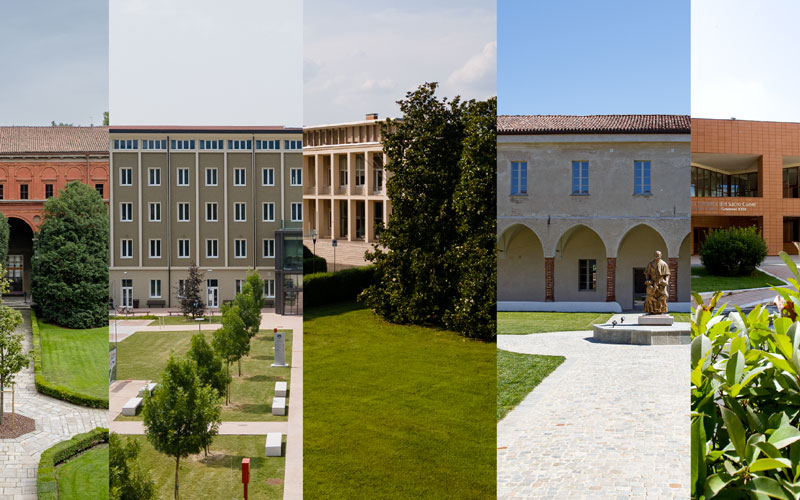
Il ciclo di incontri sul Piano strategico ha mostrato il profondo legame tra i destini dell’Università Cattolica e quello delle città dove ha sede
| Redazione