News | Inaugurazione Anno Accademico
Visionari
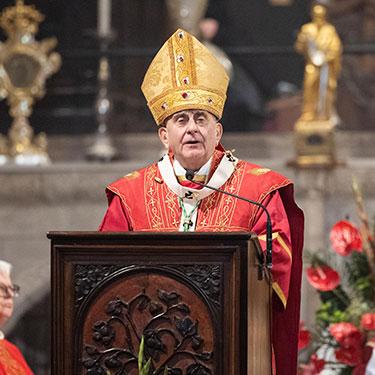
L'omelia di Mons. Mario Delpini, Arcivescovo di Milano, per la Santa Messa celebrata in occasione dell’inaugurazione dell’anno accademico 2026-27
| Mons. Mario Delpini
17 novembre 2026
Condividi su:
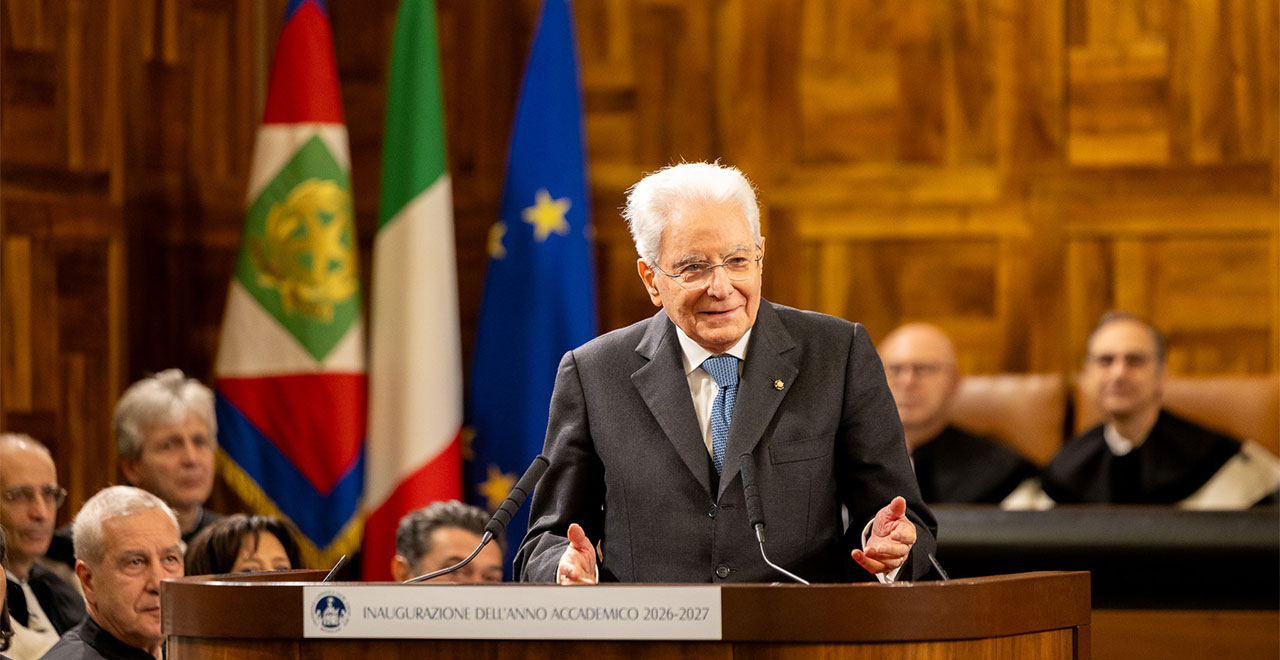
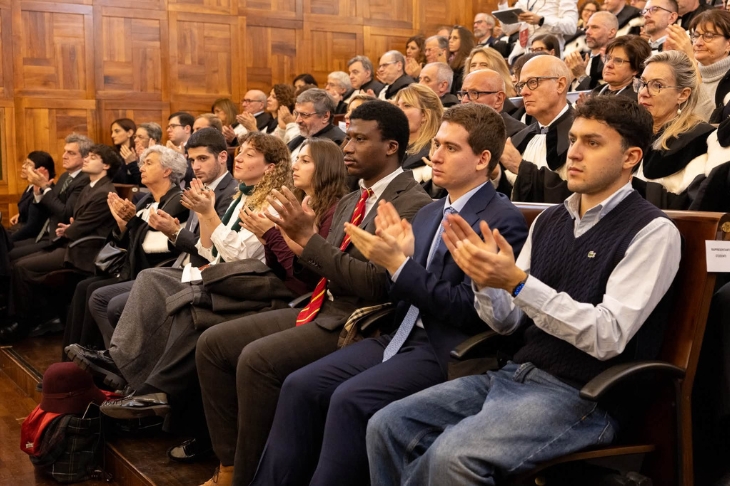
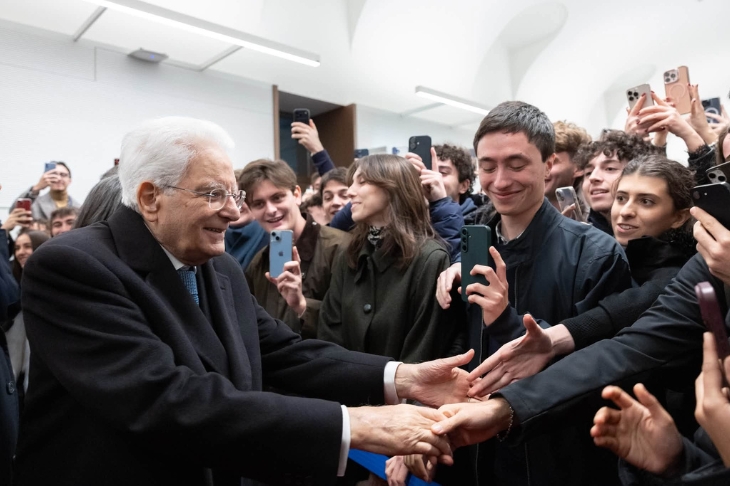
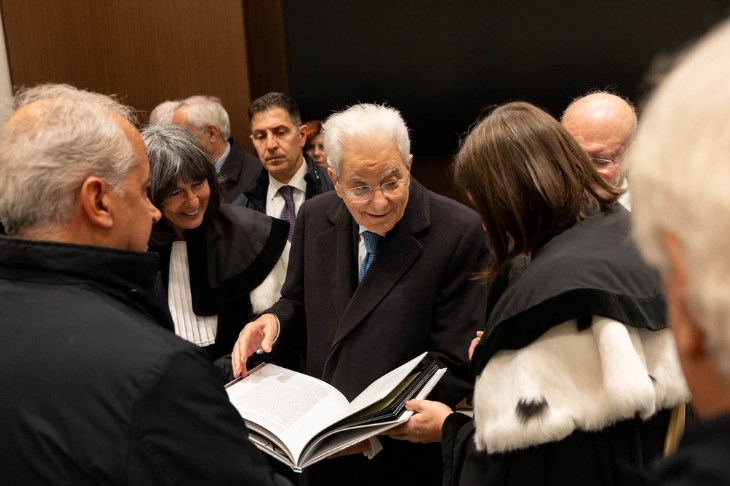
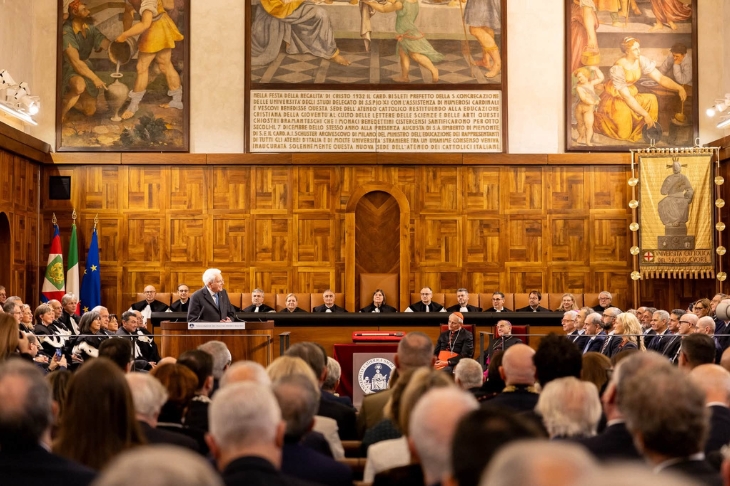
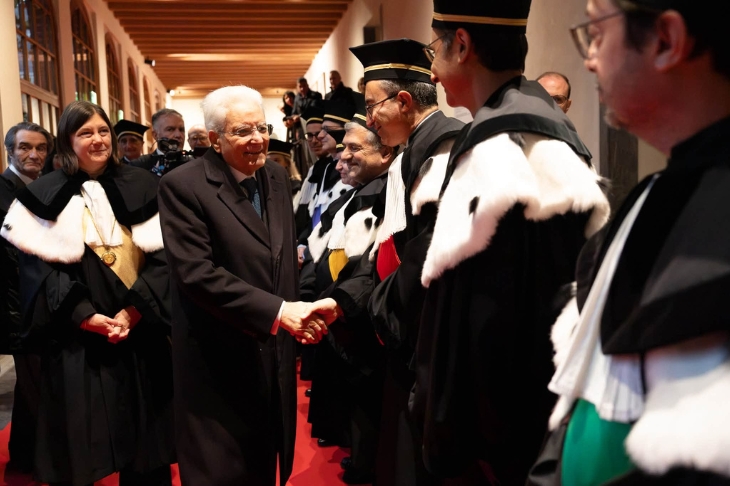
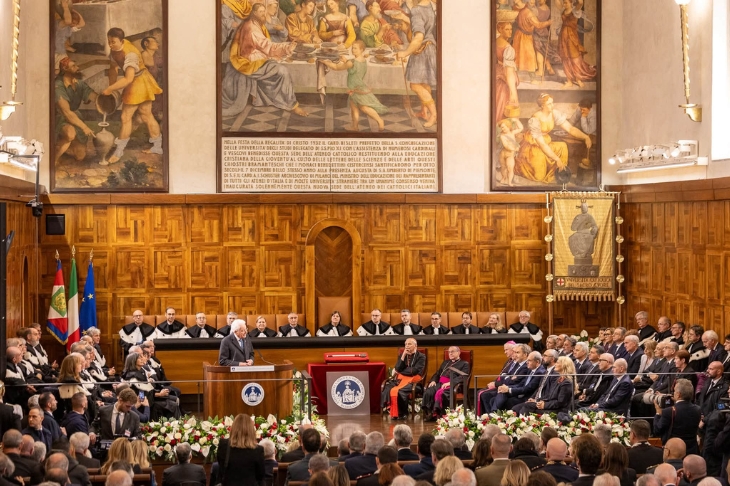
Although focusing on the common good might seem abstract and anachronistic and there is a temptation to agree with those who say that the common good does not exist, given the widespread selfishness apparent in society, Università Cattolica del Sacro Cuore has decided to make it a ‘cultural pillar’ at the Inauguration Ceremony of the 2026–2027 academic year, held on Tuesday 17 November, in the presence of the President of the Italian Republic, Sergio Mattarella. The ceremony was also attended by the President of the Italian Episcopal Conference, Cardinal Matteo Zuppi, and the Archbishop of Milan, Monsignor Mario Delpini, in his capacity as President of Istituto Toniolo.
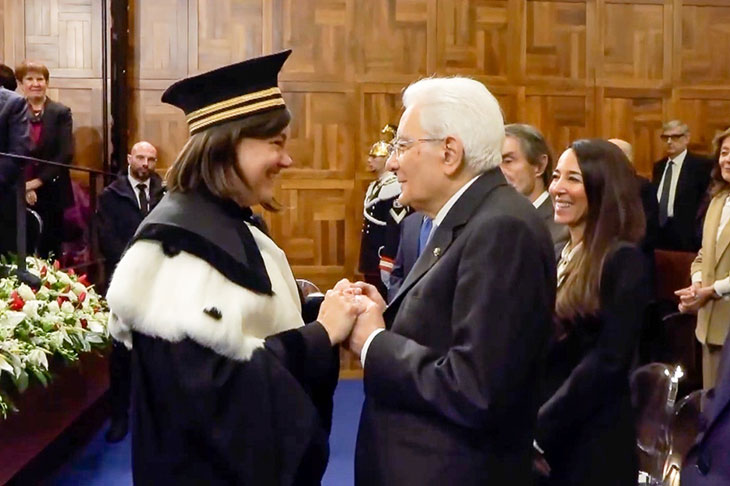
“The meaning, the idea and the aim of the common good are ingrained in the University’s DNA,” said the Head of State. “The words of the third Rector of Università Cattolica, Ezio Franceschini, spring to mind: ‘I have opposed iniquity and injustice; I have opposed lies and insincerity; I have loved everyone; I have no enemies.’ This message of culture is an educational principle that enables – as this University demonstrates – a constructive and fruitful relationship with young people. Young people are not vessels to be filled, but individuals with an independent critical spirit and a sense of agency that develops and grows." This means, as President Mattarella reiterated, "recognising the responsibility that this entails for both Universities and schools: young people are new wineskins, called not to live in the world as it is today, because the world can be changed. This ‘rising generation’ is the protagonist and deserves our trust". For the President of the Republic, "universities have an extraordinarily important task in this era full of new developments, great appeal, but also great uncertainty. And that task is to enrich, enhance and pass on culture, science and a vision of the future to be entrusted to the new generations, so that it can become real".
The address by the President of the Republic, Sergio Mattarella (IT)
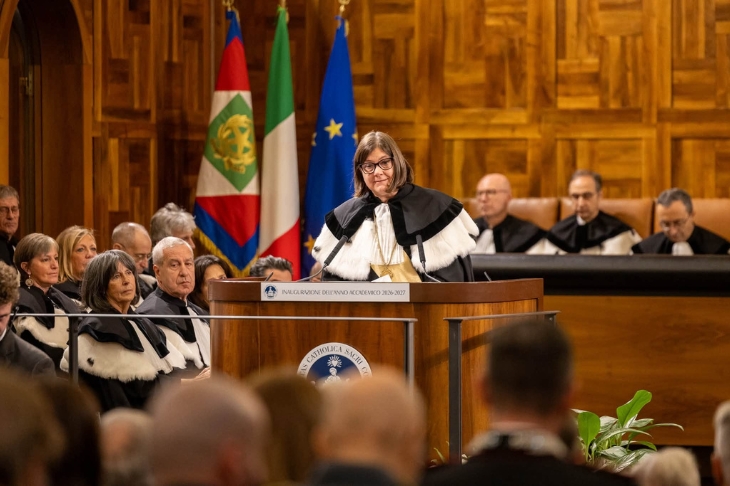
As the Rector of Università Cattolica, Elena Beccalli, said in her inaugural speech, education is an essential expression of the common good "because its benefits do not belong solely to those who receive them, but spread throughout society. The transformative power of education is also evident in its role in promoting social mobility, a mechanism which has become stalled, as demonstrated by the intergenerational persistence of educational inequalities. We therefore have a duty to revitalise it, not least through a bold, extraordinary plan for public investment".
An article by

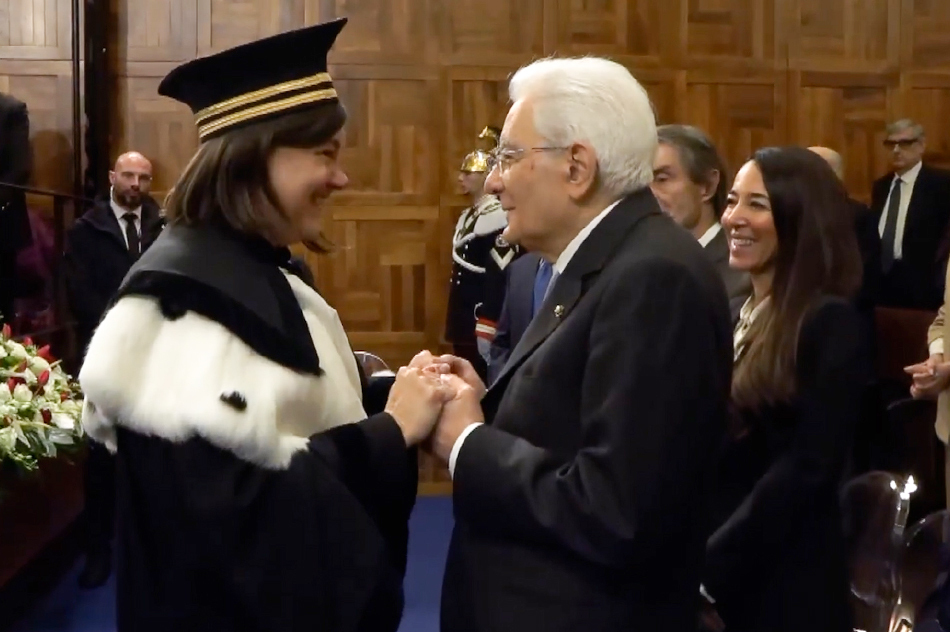
The common good, the Rector added, is more than the sum of its individual parts and enables "people and communities to fully realise human flourishing". This concept was developed in the last century by philosophers such as Jacques Maritain and Hannah Arendt but also by eminent scholars from Università Cattolica, starting with Giuseppe Toniolo, who regarded the common good as the guiding star that must steer democratic society, and Francesco Vito, a pioneer of an economy at the service of humankind. Today, this concept extends to future generations, as well as to ecosystems, knowledge, and digital infrastructure and we need to be "aware that the protection of the goods belonging to each and every one of us – such as climate, water and peace – is achieved together". However, since "individual choices and the dynamics of progress alone, in and of themselves, cannot resolve collective problems", we are called to "safeguard what belongs to everyone and on which we all depend" and students are encouraged to take on this responsibility as their own.
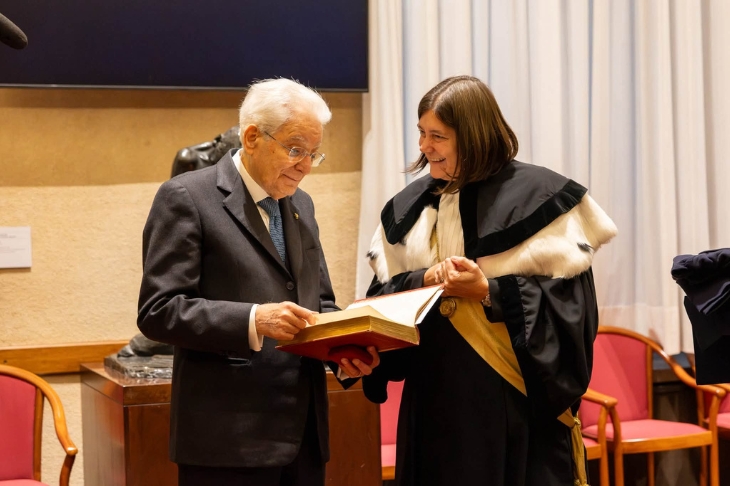
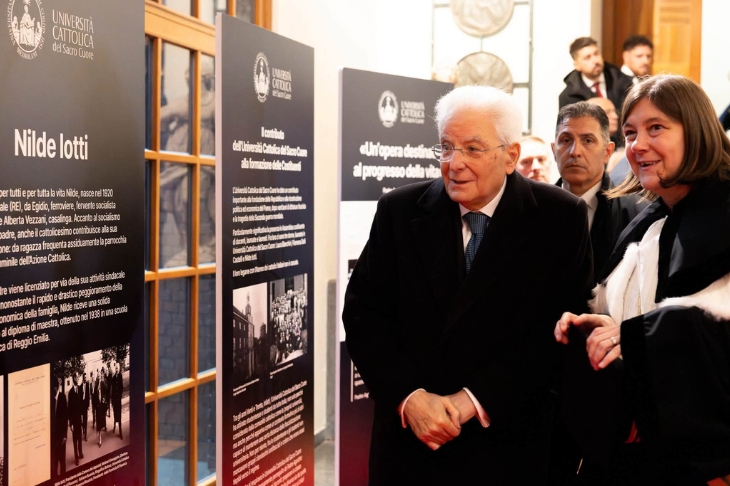
And, in this regard, according to the Rector, "the Constitution is an indispensable compass". In recognition of this "firm commitment to constitutional principles", to mark the 80th anniversary of the Republic, the University presented all students with a copy of the Constitution and paid tribute to its fourteen founding fathers and mothers, in particular the three women in the group: Laura Bianchini, Filomena Delli Castelli and Nilde Iotti.
The speech by the Rector, Elena Beccalli (IT)
It is, in fact, "necessary to constantly nurture a genuine republican spirit inspired by constitutional principles. The University is called upon to do its share," said the Rector. Indeed, the University "fosters the common good by educating people capable of discernment, critical judgement, and active participation", moving beyond a purely functional view of the university system, which is not measured by the number of graduates it ‘produces’, but by "the kind of society it helps to build". Nor should we forget that "the very function of the university is rooted in the common good. The university is a space for commoning—that is, the shared production of knowledge— and it cannot be reduced either to a commodity or to a mere provider of services to users or customers".
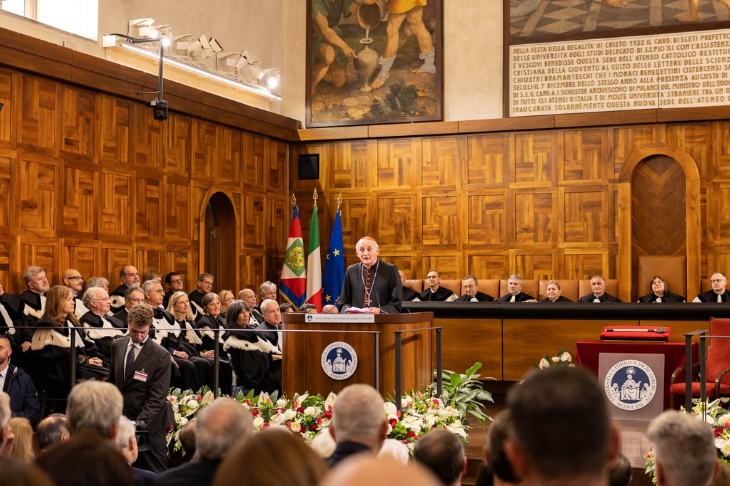
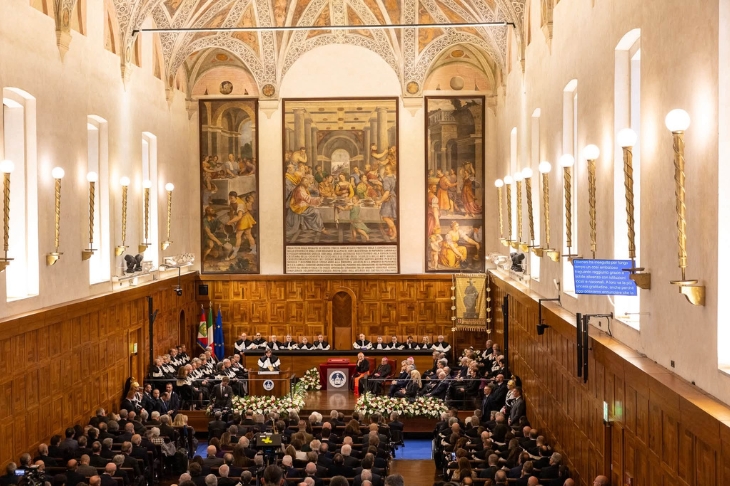
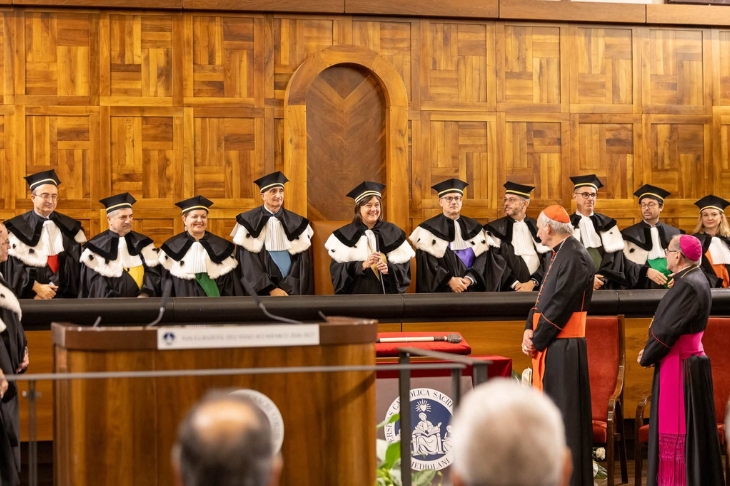
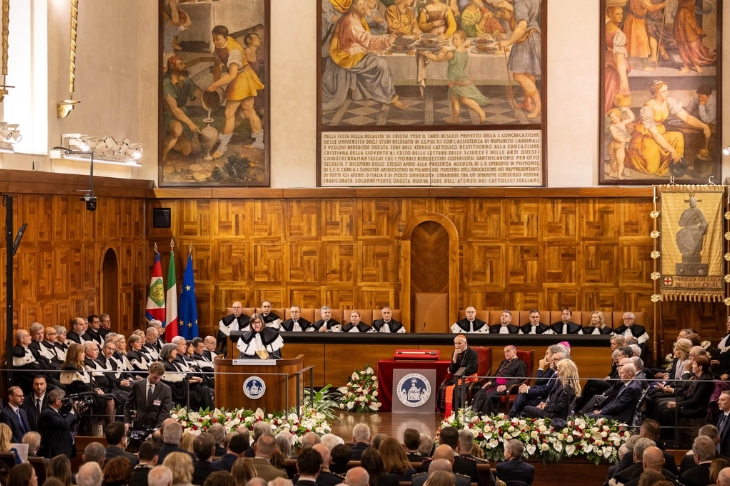
But there is something more that differentiates Catholic universities from the others: that of being a communio. "Whilst much of secular education risks becoming a commodity – accessible, efficient, yet impersonal – Catholic universities are still able to offer an experience grounded in relationships. In an age plagued by an epidemic of anger, loneliness, and fragility amongst young people, the dimension of relational experience becomes essential, not peripheral. At a time filled with the voices and questions of a generation demanding to be heard, the space of commoning can offer an opportunity to transform these requests into shared responsibility."
The address by Card. Matteo Zuppi, President of the CEI (IT)
For Professor Beccalli, the common good is a principle studied in the classrooms of the university and then ‘put into practice’ in society. The contribution made by many graduates, including those who have shaped our institutions, is the clearest evidence of this. The President of the Italian Episcopal Conference, Cardinal Matteo Zuppi, expressed his conviction of this as he recalled “the contribution the University has made to the drafting of the Constitution and to the training of so many figures who have shaped the country’s economic and social development over recent decades”. He called for “a similar effort to be made for Europe, which urgently needs to relaunch the process of unification for its own growth and to ensure that its decisive contribution to humanism isn't missing in a world experiencing such instability”.
The greeting by Msgr. Mario Delpini, President of the Toniolo Institute (IT)
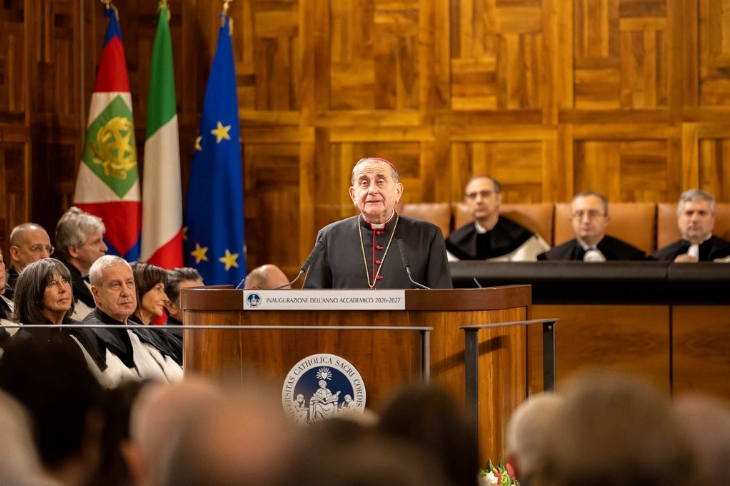
The Archbishop of Milan and President of Istituto Toniolo, Monsignor Mario Delpini, referred to the University’s ‘heritage’, comparing it to "a fire that, to remain alight, must constantly be fed with fresh fuel; a seed that, to bear fruit, must be tended and allowed to grow; a word that, to be alive, must be spoken and reach its intended recipient. The academic year is therefore a reminder of our responsibilities." This exhortation was reiterated by Rector Beccalli as she concluded her inaugural speech: "Drawing inspiration from such a precious legacy, we shall continue to make our wholehearted and steadfast contribution to building the common good of the Italian Republic."
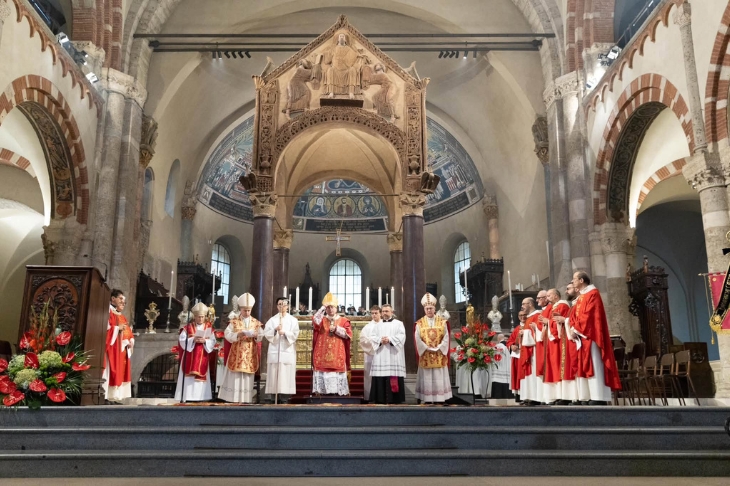
The inauguration ceremony began in the Basilica di Sant'Ambrogio with the Eucharistic Celebration presided over by the Archbishop of Milan, Monsignor Mario Delpini. Concelebrating was the General Ecclesiastical Assistant of the University, Monsignor Claudio Giuliodori, who, in his opening remarks, addressing the Archbishop, recalled “the commitment of the University of Italian Catholics to respond effectively to the educational challenges of our time,” including through the implementation of the Strategic Plan.
The homily by the Archbishop of Milan, Msgr. Mario Delpini (IT)
Precisely with regard to this responsibility, Monsignor Delpini identified 'being visionaries' as an essential condition for facing the present: “Men and women who continue to seek with humility, even when they are in positions of authority; men and women who continue to listen, even when they are recognised as experts, and who continue to see themselves as disciples, even when they are called teachers.”
The greeting by Msgr. Claudio Giuliodori, General Ecclesiastical Assistant of the University (IT)
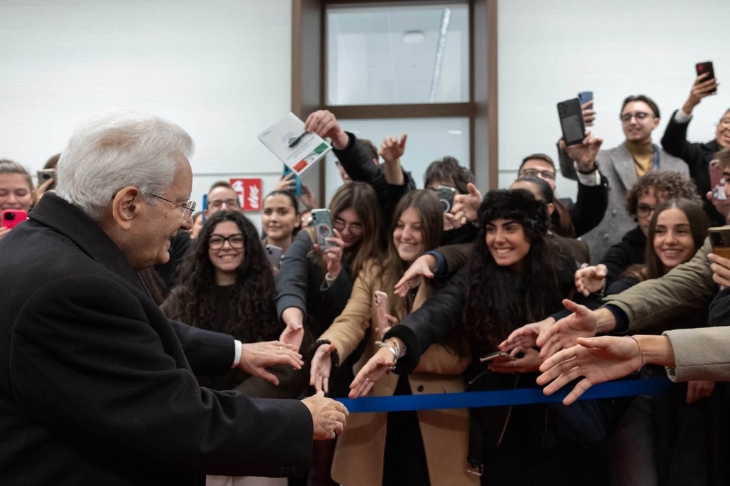
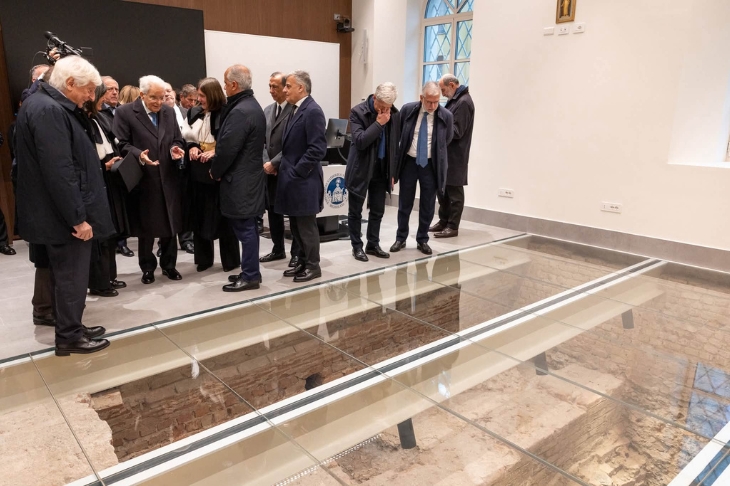
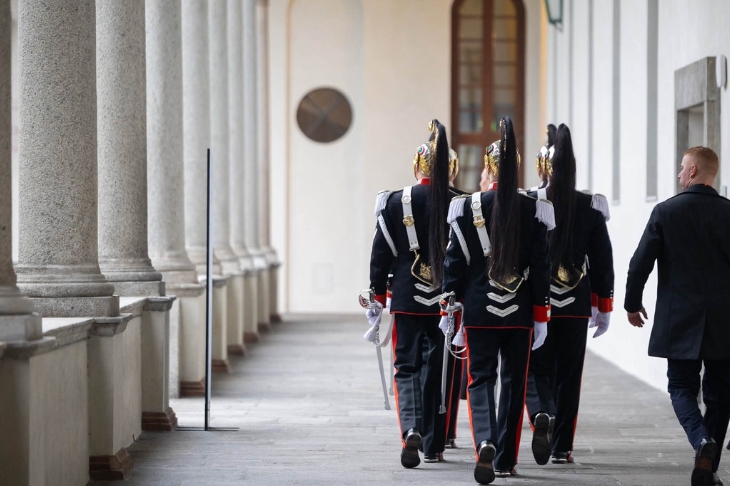
At the end of the Inauguration Ceremony, the Rector accompanied the President of the Republic to the new Polo San Francesco, situated right next to the University historic Campus in Largo Gemelli. “A laboratory for the future,” as Professor Beccalli described it, “a model of urban regeneration donated by the University to future generations, a crucial investment in the development of young people – both Italian and from elsewhere – and therefore in the future of the country,” she concluded, announcing that “the redevelopment will continue shortly with a further section of the building”.
L'omelia di Mons. Mario Delpini, Arcivescovo di Milano, per la Santa Messa celebrata in occasione dell’inaugurazione dell’anno accademico 2026-27
| Mons. Mario Delpini
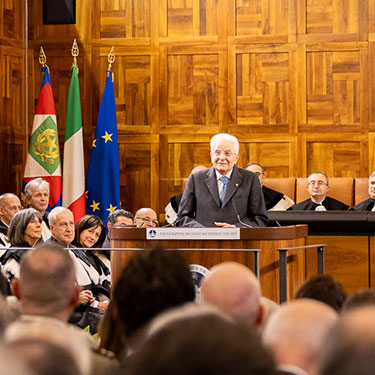
Il discorso del Capo dello Stato alla cerimonia di inaugurazione dell'anno accademico 2026-27 dell'Università Cattolica del Sacro Cuore
| Sergio Mattarella
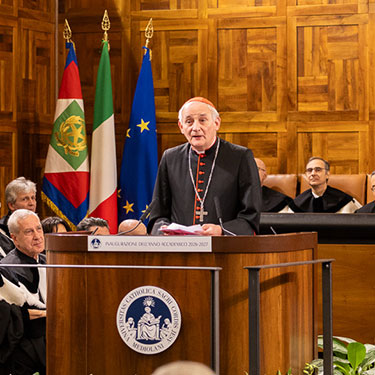
Il saluto del Cardinal Matteo Zuppi, Presidente della Conferenza Episcopale Italiana, in occasione dell'inaugurazione dell'anno accademico 2026-27 dell'Università Cattolica del Sacro Cuore
| Card. Matteo Zuppi