The picture emerging from the 2025 data – relating to the breakdown of applications by the territorial jurisdiction of the courts called upon to rule on cases of over-indebtedness – is clear: Monza, with 80 applications, accounts for 22% of the total applications filed; Milan, with 61 applications, accounts for 17%; Como, with 44 applications, accounts for 12%; Pavia, with 32 applications, accounts for 9%; Lecco, with 39 applications, accounts for 11%; Varese, with 16 applications, accounts for 4%; Busto Arsizio, with 22 applications, accounts for 6%; Lodi, with 49 applications, accounts for 14%; Cremona, with 17 applications, accounts for 5%. Some areas, such as Varese and Busto Arsizio, have a higher proportion of applications submitted by business owners than by consumers. In short, this map clearly illustrates the true scale of the problem and its widespread prevalence across the Lombardy region.
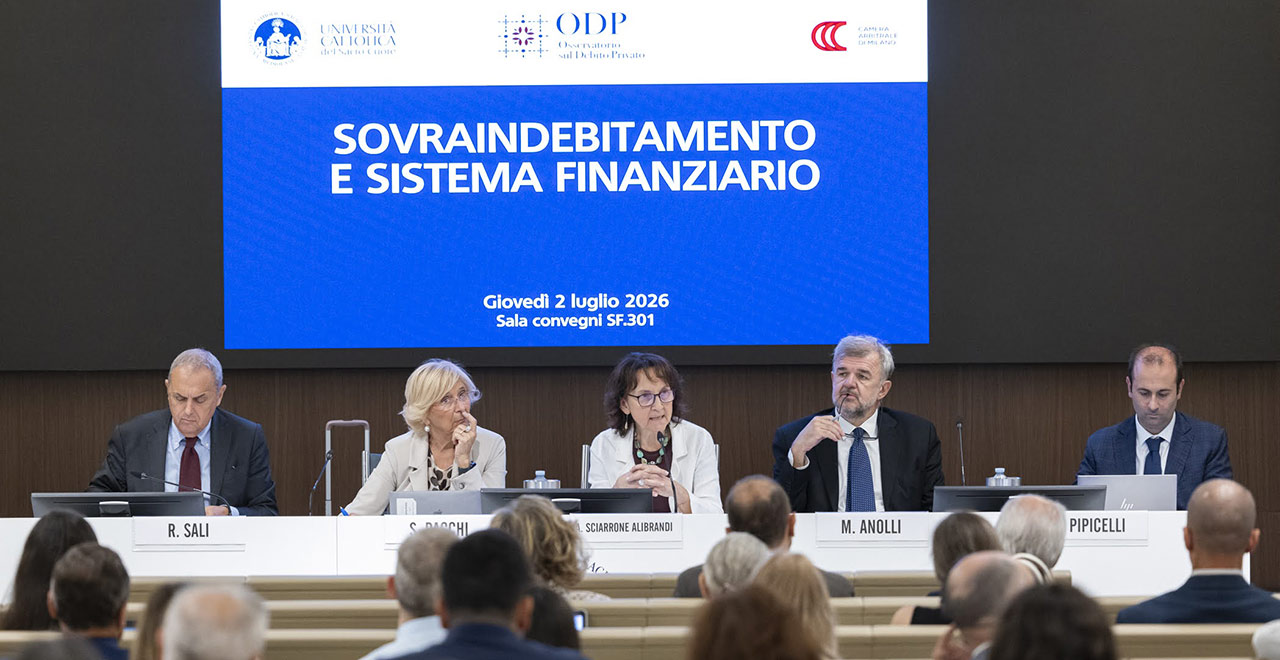
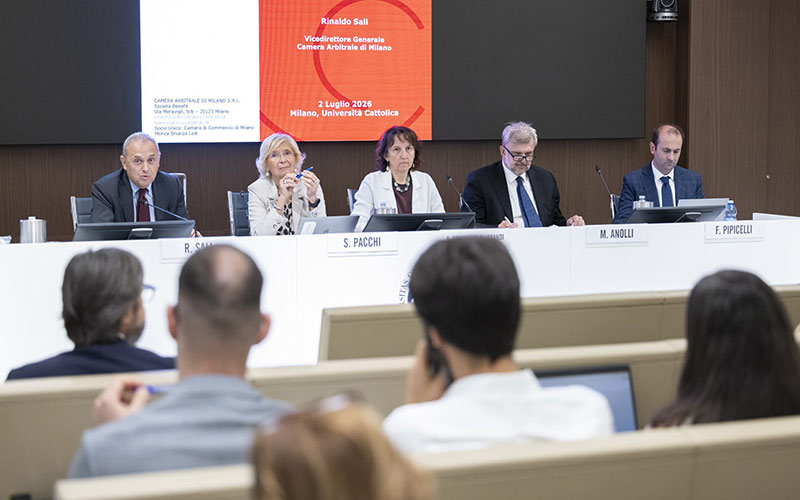
"The Camera Arbitrale di Milano’s service for managing over-indebtedness crises has handled nearly 2,000 requests for help over the past nine years, with a 21% increase in the last year,” noted Rinaldo Sali, Deputy Director of the Camera Arbitrale di Milano and head of the aforementioned body for the management of over-indebtedness crises and controlled liquidation. “The rise in applications highlights how the Camera Arbitrale di Milano’s over-indebtedness service is becoming increasingly utilised and recognised and this reflects a general state of economic hardship for which our service can provide valuable support. Our commitment is to help consumers and small business owners (who are not subject to bankruptcy) get back on their feet and find a possible way forward to restart their businesses, thereby helping to sustain the economic and social fabric.”
Moreover, “empirical evidence shows a significant increase in cases of over-indebtedness”, highlighted Gianluca Mucciarone, Director of the Osservatorio sul debito privato at Università Cattolica del Sacro Cuore. "Over-indebtedness affects the very dignity of the individual, and its rise contributes to undermining social cohesion. There is therefore a strong need to broaden and disseminate knowledge of the phenomenon and, above all, to understand and improve the tools available not only for its prevention but also for its resolution, aimed at enabling people in serious difficulty to find a way out. In this context, the role of the financial system is central. This is the mission of our observatory: to provide a permanent point of reference on the subject, helping to foster collaboration and synergies between universities and research centres, public and private institutions, market operators and professionals, with the aim of promoting and fostering an increasingly effective culture of responsibility and solidarity for the prevention and resolution of financial crises affecting individuals and businesses.”
But who are the debtors? In 56% of cases, the applicant is a consumer (203 applications in 2025); in 44% of cases, the requests for help come from businesses, former entrepreneurs and sole traders (157 applications). Compared with 2024, applications submitted by former entrepreneurs and small businesses rose by 24% (157 applications in 2025; 127 in 2024) and those submitted by consumers rose by 18.7% (203 in 2025; 171 in 2024).
Generally speaking, by law, the service is available to consumers, small businesses (below the insolvency threshold) and specific entities such as agricultural businesses, start-ups or professional associations in a clear state of economic and financial distress.
As regards timeframes and outcomes, on average it takes 1 year and 6 months – 545 days – to conclude a procedure. The Court approved 95% of the repayment plans submitted following the Relazione del Gestore, i.e. the supervior’s report; plans were rejected in only 5% of cases.
In 2025, out of 360 applications filed, the most commonly used procedure was that of controlled liquidation of the over-indebted party, used in 72% of cases, followed by debt relief for those unable to pay in 17% of cases, consumer debt restructuring in 7% of cases and, finally, the minor composition with creditors chosen in 4% of cases.
There are four procedures provided for by Italian law for the management and restructuring of debt: the minor composition with creditors, which applies to small business owners or former business owners, and the proposed settlement must be accepted by 50% of creditors; consumer debt restructuring is a proposal made by the debtor-consumer (i.e. a non-professional) and does not require creditors’ consent to be approved by the court; controlled liquidation of the over-indebted individual, in which case the court appoints a liquidator to distribute the debtor’s available funds and assets to creditors, net of those essential for living. Over the years, there has been an increase in this type of procedure. The debt relief for the totally insolvent debtor, reserved for individuals who currently have nothing to offer their creditors, remains in force for four years, during which the financial situation of the person released from debt is monitored.