NEWS | DIES ACADEMICUS

The intergenerational alliance: enhancing every stage of life

29 gennaio 2026

The intergenerational alliance: enhancing every stage of life

Condividi su:

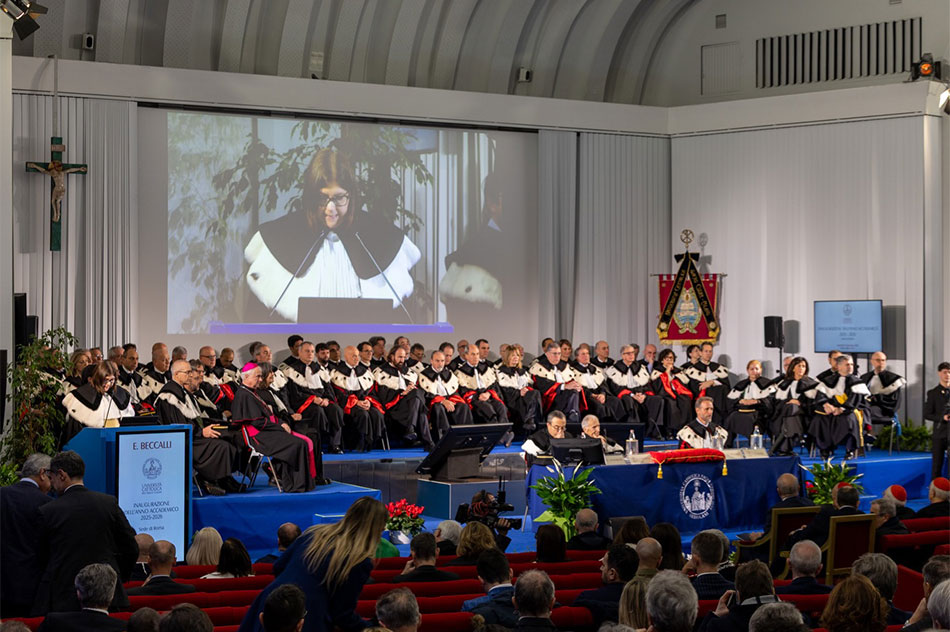
“In opening this ceremony, I would like to start with the narrative theme that will unite all the Dies Academici: the alliance between generations. On the Rome campus, this has been a topic of strategic importance for many years, both in scientific research and clinical practice, particularly regarding active, inclusive, and healthy ageing.” The Rector of Università Cattolica del Sacro Cuore, Elena Beccalli, went straight to the heart of the matter in her speech for the inauguration of the academic year at the Rome campus. Longevity is now a widespread reality. Suffice it to say that Istat data for Italy show that “as early as 2025, there were around 4.6 million people over the age of 80, a number that exceeds that of children under the age of 10. Overall, this represents a strongly negative natural balance.”

In her speech, the Rector addressed a crucial issue, noting that in recent months both Università Cattolica and Policlinico Gemelli have launched their respective strategic plans. In particular, “the Policlinico’s four-year business plan aims to consolidate its role as a major European academic hospital, even within a complex economic context.” The goal is to implement a profound internal process of organisational and managerial innovation. Thanks to this plan, “the ambitious but concrete intention is to bring the Fondazione back to economic equilibrium in the 2028/2029 biennium, ensuring universal access to care, high quality standards, optimal working conditions for staff, and excellent learning conditions for students,” the Rector concluded.

According to Rector Beccalli, in order to “restore humanity to all ages of life, we need to build communities capable of supporting autonomy while fostering intergenerational relationships.” At the same time, “we need to redefine health and welfare systems, orienting them towards integrated, person-centred models to respond to the complex needs of old age and ensure adequate care. All this requires shared, multi-sector governance, in which institutions, universities, and civil society work together."

An article by

Redazione

Redazione

Condividi su:


The University and Policlinico's Roman campus “is a privileged laboratory where the alliance between generations takes concrete form through dedicated care and research for both the elderly and newborns. As the 48th National Day for Life approaches, focusing on the theme ‘Children First’, it is a joy to remember that the Gemelli ecosystem is one of the country’s primary birth centres and the first in Lazio, with over 4,000 births per year. It is in this fruitful intersection between generations that our hope is rooted,” the Rector concluded.

Health Minister Orazio Schillaci spoke about care, prevention, and the central role of the National Health Service: “Universities and healthcare share a fundamental responsibility: contributing to building a better future. I would like the primary objective of the National Health Service and the Ministry of Health, which are responsible for treating the sick, to be preventing Italians from getting sick in the first place. In this scenario, in recent years, we have ensured that prevention is no longer the ‘Cinderella’ of the National Health Service, but has become the pillar of the more modern healthcare system of the third millennium that we want to build. Investing in prevention means safeguarding the sustainability of the healthcare system, increasing quality of life, reducing chronic conditions and making them more easily manageable.”

The President of the Lazio Region, Francesco Rocca, addressed Università Cattolica and Policlinico Gemelli in his greeting: “Università Cattolica del Sacro Cuore represents excellence for our region and for the entire country, capable of combining quality education, research, and community service. Under the guidance of Rector, Professor Elena Beccalli, the University continues to strengthen its strategic role in the academic and healthcare systems, in close synergy with Policlinico Universitario “Agostino Gemelli”. This is a collaboration that the Lazio Region intends to continue supporting and promoting.”

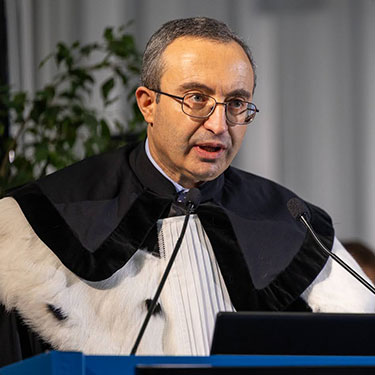
The synergy between the Università Cattolica’s Faculty of Medicine and Surgery and the Fondazione Policlinico Gemelli Irccs was the focus of the report by the Dean of the faculty, Alessandro Sgambato. “The quality of our intensive training activities has enabled us to improve our international rankings, bringing the Faculty of Medicine to 5th place in Italy in the Times Higher Education ranking and 6th place in Italy and 170th in the world in the QS World University Rankings out of over 1,000 institutions evaluated.” A new graduate degree programme in clinical and health psychology will start in the next academic year. Echoing the Rector, the Dean also paid tribute to Professor Giovanni Scambia; on the first anniversary of his passing, the library at Policlinico Gemelli was dedicated to his memory.


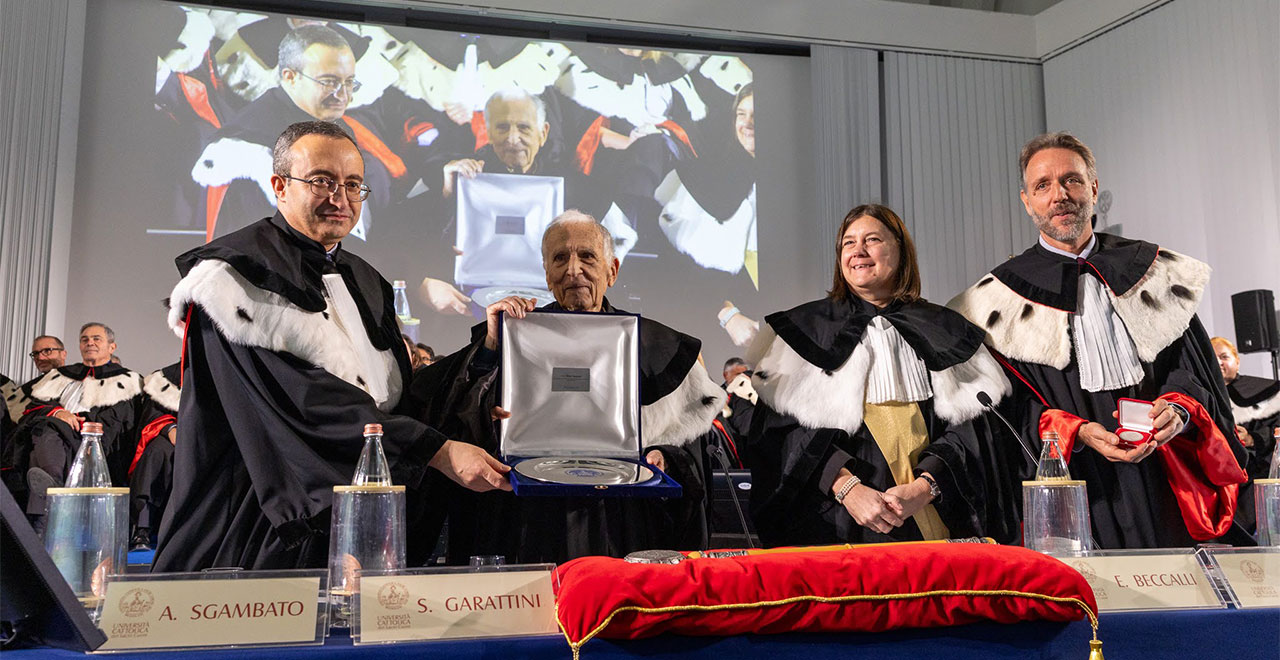
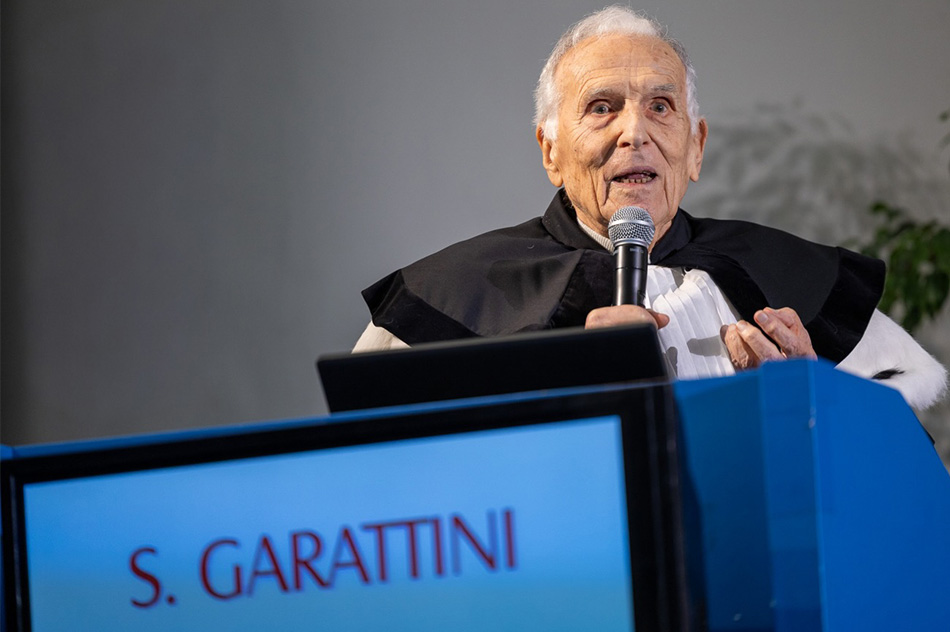
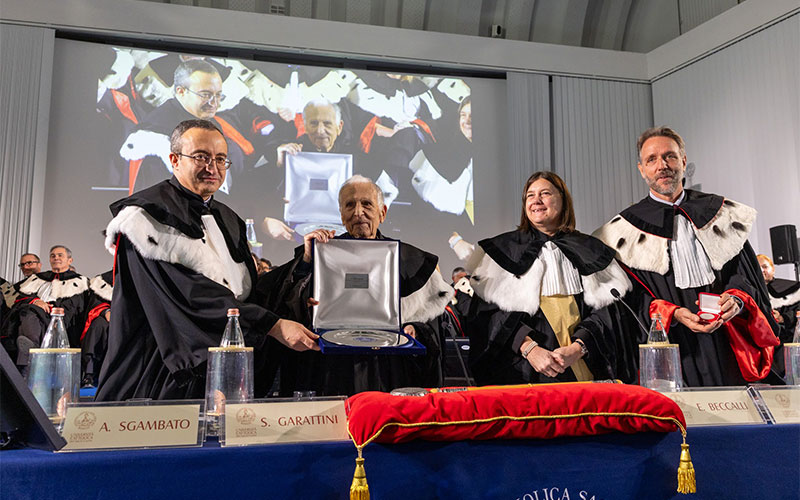
Professor Silvio Garattini also spoke about the National Health Service in his opening address. “The National Health Service is a precious asset that must be preserved. Life expectancy has increased, allowing us to make progress and placing us among the longest-lived populations in the world; however, we are more interested in the quality of life itself. The NHS helps us prolong life expectancy, but we must ask ourselves how to increase the duration of a healthy life.” He then concluded his speech by encouraging young students to “be active participants in university life.”

In his report, Professor Francesco Landi, Professor of Internal Medicine at Università Cattolica and Director of the Department of Geriatrics and Orthopaedic Sciences at Policlinico Gemelli, called for “investment in education, sport, training, the environment, accessibility to services and healthy lifestyles. This is not an optional or contingent choice, but must be a structural and strategic vision for the future of our country. It is a necessary condition for building a society capable not only of living longer but also of living better. In this context, longevity becomes a collective responsibility that challenges institutions, the scientific community, the healthcare system, but also each of us as doctors, teachers and researchers.”


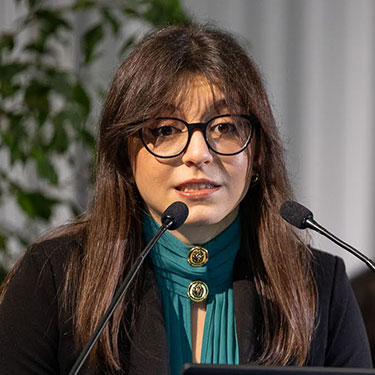
In the spirit of the intergenerational pact, medical student Maria Chiara Di Lorenzo closed the ceremony. “My appeal,” she said, “is addressed to all students of Università Cattolica del Sacro Cuore, an institution and community founded on the centrality of the person and the sublimation of culture across generations. Our classrooms are not just places of learning, but stages where curiosity is ignited, talent blossoms into responsibility, and passion is transformed into lasting commitment.”

Newsletter

Scegli che cosa ti interessa
e resta aggiornato

Iscriviti