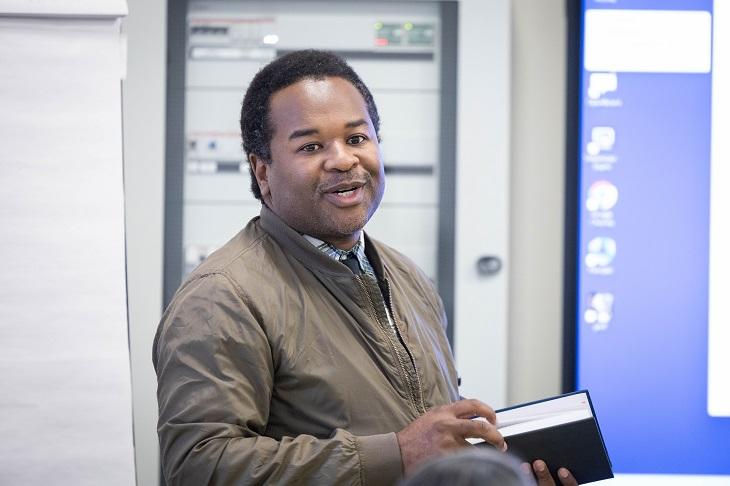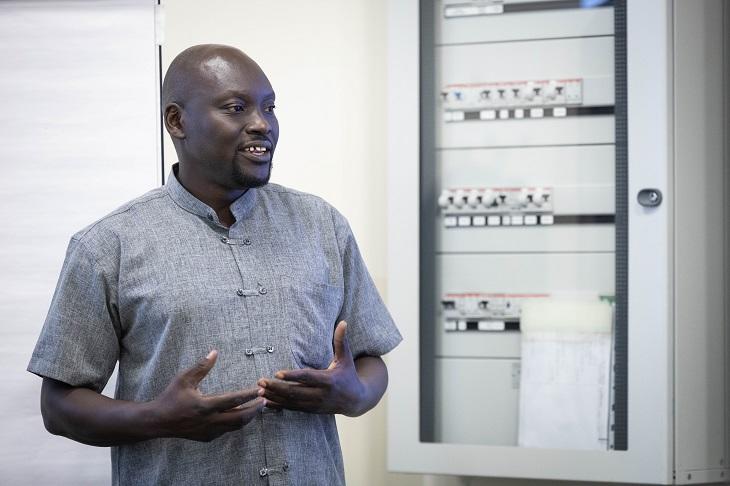
‘I want to work in higher education and research; I’d like to contribute to the development of Public Policies. But I want to do it in my own country. My family, my roots and the people I love, who have allowed me to become who I am, are in Ethiopia: I feel I must give something back.’
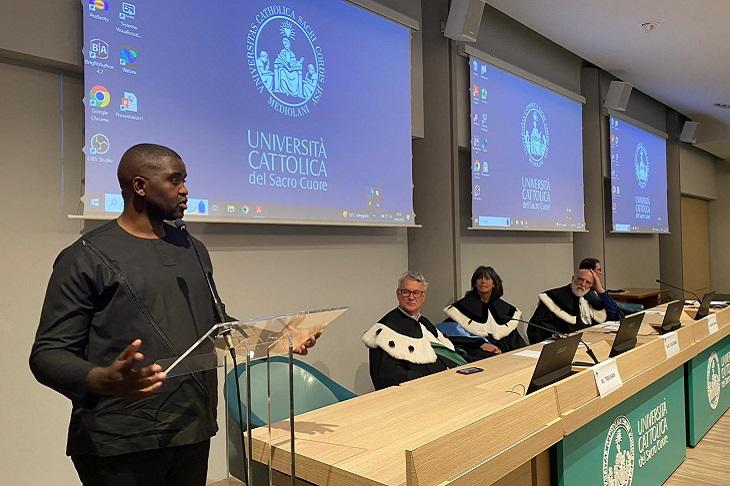
Last month, Mekonnen Tadesse Worku, a researcher at St Mary’s University in Addis Ababa, was awarded a PhD in Management and Innovation at Università Cattolica del Sacro Cuore, with a thesis on the role of small and medium-sized enterprises in the development of the Ethiopian economy.
Unlike many other African scholars who choose Europe or the United States to get a specialisation, his future plans do not include settling permanently at a Western university.
“Studying under the guidance of Università Cattolica has encouraged me to think in a more interdisciplinary way and in line with international academic standards,” he says. “I have gained greater confidence in research methods; I have also been able to engage with fellow students, professors and lecturers from different backgrounds. But since the very start of this journey,” he emphasises, “I have wanted to put these skills at the service of my country: I feel I owe a debt of gratitude to it.”
For scholars, being able to engage with colleagues from all over the world is an integral part of their professional development. However, internationalisation – one of the pillars of research – also has a downside: if stays abroad become one-way journeys, legitimate individual ambitions become a loss for the countries of origin.
The problem becomes even more serious when those countries need precisely those skills to support their own development. It was to address this risk that the D.E. Africa (Doctoral Education for Africa) project was launched, thanks to which Mekonnen Tadesse Worku obtained his PhD in Italy. The aim was to find a difficult balance between, on the one hand, preventing the ‘brain drain’ and, on the other, offering opportunities for qualified training where they are not always available.
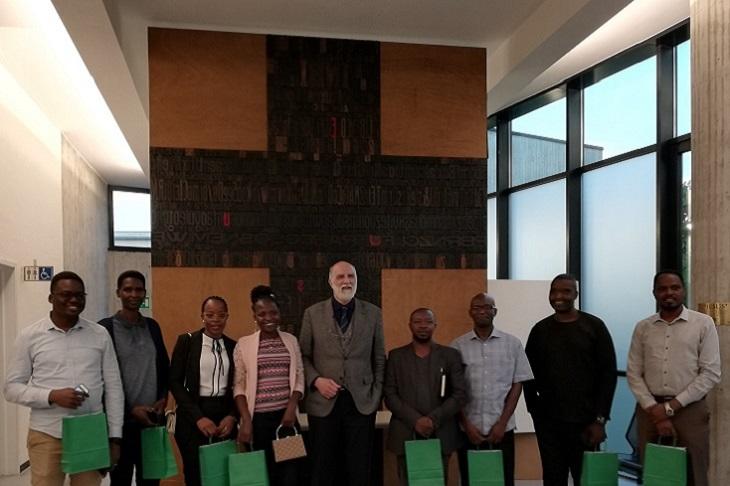
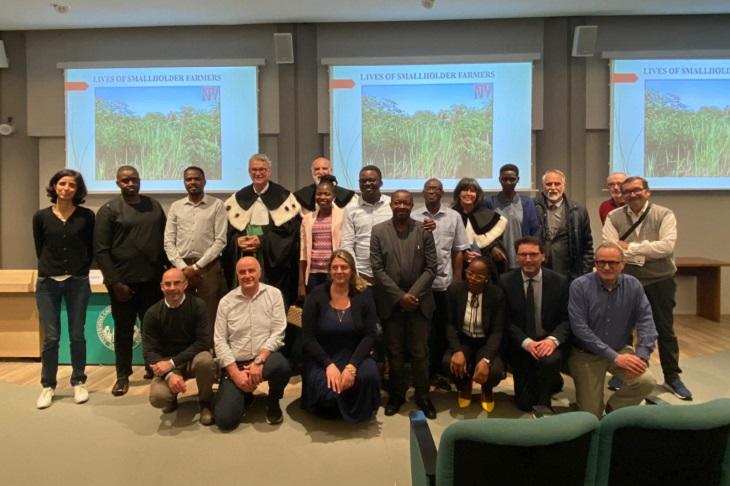
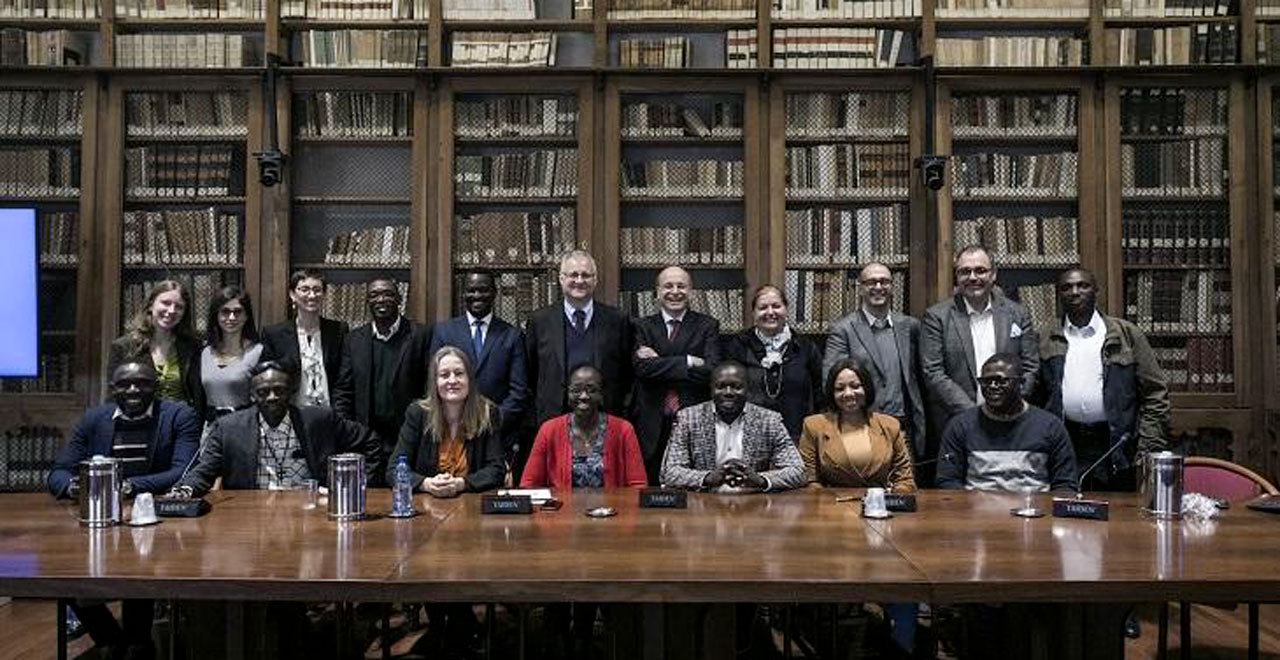
Promoted by Università Cattolica del Sacro Cuore and funded by the Conferenza Episcopale Italiana (Italian Episcopal Conference) using ‘8xmille’ funds, the project will have trained 37 PhD graduates from 14 African countries by the time the second and final cycle is completed.
Enrolled in two distinct programmes – one in the field of economics, Management and Innovation, and one with a technical focus, dedicated to agri-food systems – the researchers have mainly followed classes remotely, whilst maintaining constant contact with the University’s lecturers and professors and obtaining an accredited qualification.
‘In many African contexts, the university system struggles to offer structured Doctoral Programmes. We wanted, on the one hand, to fill this educational gap and, on the other, to ensure that the researchers’ ties with their home countries were not severed. This approach seemed to us the most suitable for achieving this dual objective,’ explains Professor Mario Molteni, responsible for the project and director of the E4 Impact Foundation, established to support the launch and growth of new businesses in Africa through training programmes and development initiatives.
These years’ results seem to prove him right. Like Mekonnen Tadesse Worku, the vast majority of participants who have already completed the Programme will continue their academic careers at their home universities, helping to train the new ruling class of the continent.